

 By
By 
If you’re a runner, you already have a strong engine. You understand pacing, discipline, and the quiet mental battles that happen mid-race. But if you’ve ever felt curious about multisport—without quite knowing where to start—duathlon might be your perfect entry point.
No swimming. No overwhelming gear list. Just run, bike, run.
This is your bridge.
Why Duathlon Makes Sense for Runners
Duathlon removes the biggest barrier most runners face when considering triathlon: the swim.
Instead of learning an entirely new skill in the water, you’re building on what you already know. The first run feels familiar. The final run feels like home. The bike segment? That’s your new challenge—and your biggest opportunity.
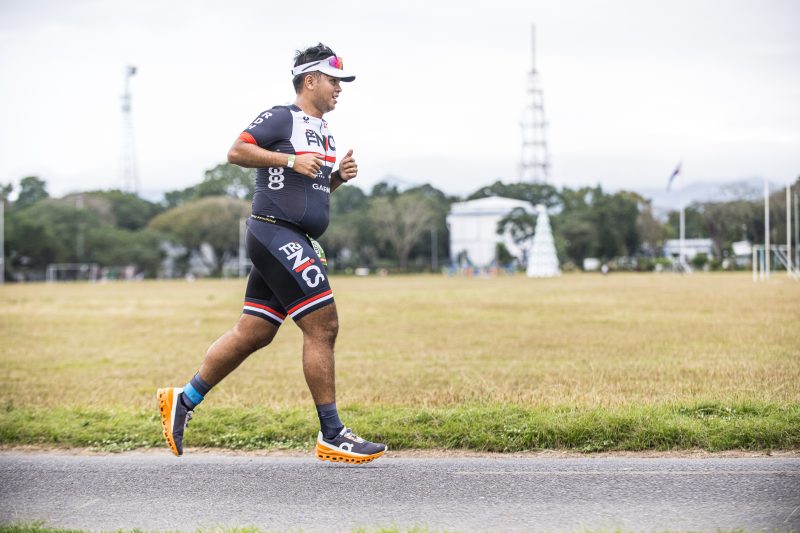
Think of it this way: you’re not starting from zero. You’re expanding your range.
What Changes (and What Doesn’t)
The biggest misconception is that duathlon is just “running plus biking.” In reality, it’s a different kind of effort.
-
Your aerobic base still matters—your running fitness carries over strongly.
-
Pacing becomes more strategic because your legs need to survive two runs.
-
The bike introduces muscular fatigue, especially in the quads, that you don’t get from running alone.
-
Transitions add a new skill element, but they’re easy to learn and fun to practice.
You’re still racing against the clock. You’re just managing your effort across disciplines now.
Your First Goal: Finish Strong, Not Fast
If you’re transitioning from running, your instinct will be to attack the first run. Don’t.
A common beginner mistake is treating the first leg like a 5K race. The result? Burned legs on the bike and a painful second run.

Instead:
-
Run your first leg at a controlled, steady pace.
-
Treat the bike as a chance to maintain speed without spiking effort.
-
Expect the second run to feel heavy—but manageable if you paced correctly.
Your first duathlon is about learning the rhythm, not chasing a personal best.
Getting Started With Training
You don’t need a complicated plan to begin. You just need consistency and a bit of structure.

Start with:
-
2–3 runs per week (keep what you’re already doing).
-
1–2 bike sessions per week (even short rides help).
-
1 “brick” session (bike + short run immediately after).
A simple example:
Bike for 30–45 minutes, then run for 10–15 minutes right after.
That strange, heavy-leg feeling? That’s exactly what you’re training for.
You Don’t Need Fancy Gear
This is where a lot of runners hesitate—but it’s simpler than you think.
To start:
-
Any roadworthy bike will do.
-
A helmet is non-negotiable.
-
Your usual running shoes are fine.
-
Comfortable athletic wear is enough.

You can upgrade later. For now, focus on experience, not equipment.
The Community Factor
One thing that surprises many first-time duathletes is the community.
Multisport events tend to be welcoming, beginner-friendly, and less intimidating than they seem from the outside. You’ll find runners like you—testing the waters, figuring things out, and enjoying the process.
And once you cross that finish line, something shifts. You stop seeing yourself as “just a runner.”
You become more.
Why Now Is the Right Time
The line between running and multisport is thinner than you think. You already have the discipline. You already wake up early. You already show up.
Duathlon simply gives you a new way to challenge yourself—and a new kind of finish line to chase.
So if you’ve been curious, consider this your sign.
Try one race. Borrow a bike if you have to. Show up not fully prepared, but fully willing.
Because every duathlete you see today started exactly where you are: as a runner, wondering if they could do more.


Share this article


