

Running in Asian Heat & Humidity: A Triathlete’s Guide to Training Smart in Tropical Conditions
 By Mike Fielder
March 29, 2026
By Mike Fielder
March 29, 2026
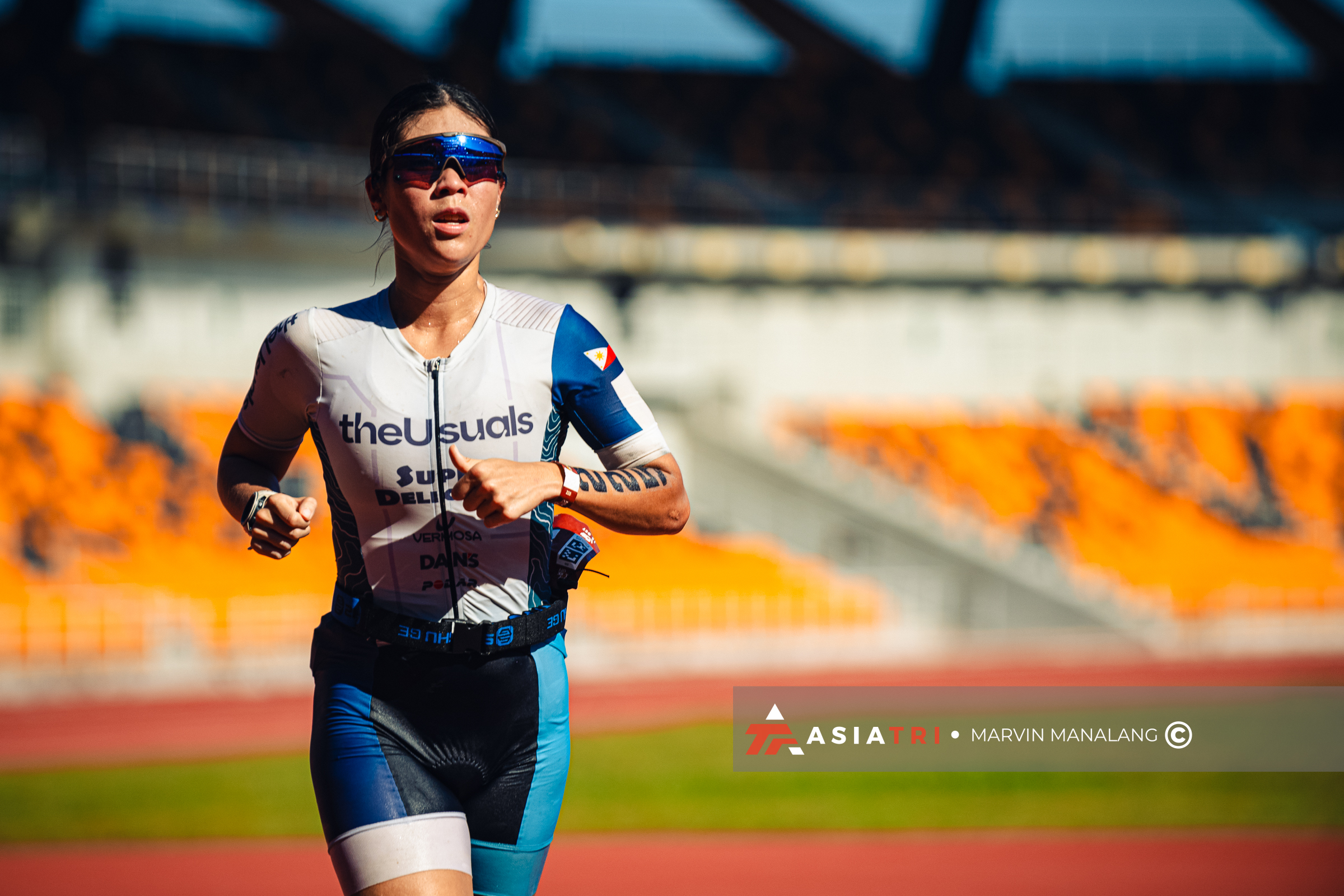
If you’ve ever tried to run after work in Manila, Singapore, or Bangkok, you know the struggle: step outside at 6 p.m., and it feels like opening an oven. Temperature: 30°C. Humidity: 82%. Heart rate spike. Heavy legs. You’re not imagining it—heat and humidity are the silent performance killers for Asian triathletes. The run leg is where heat hits hardest. Swim and bike get some relief (cool water, airflow), but the run hits you hardest. Here’s how to train smarter, not harder.
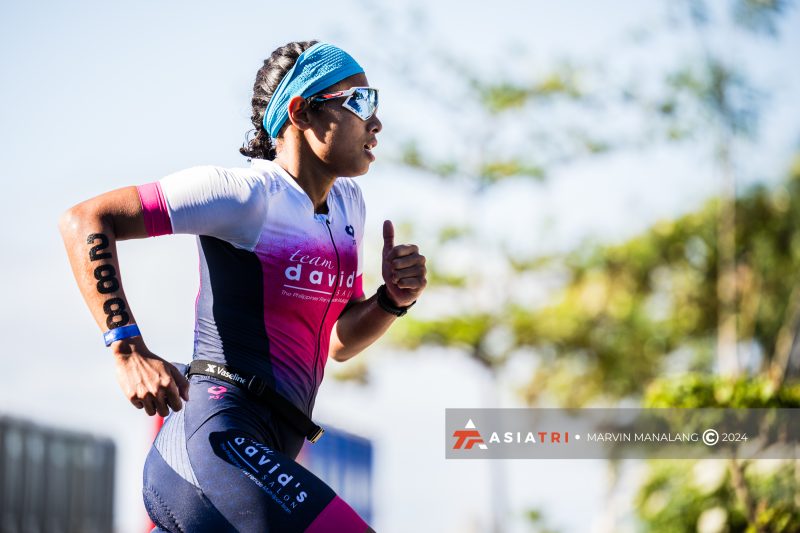
1. Heat Index > Temperature
Don’t just check temperature—check the heat index.
Above 75% humidity, sweat can’t evaporate. Result? Faster glycogen depletion, higher heart rate, cramping, and early fatigue.
Bottom line: A 30°C run at 82% humidity = a 38°C dry-heat run. Adjust your pace.
2. Run Early: 4–6 a.m. Is Gold
In Asia, 4–6:30 a.m. is the cool window—5–8°C lower than midday.
That’s why I start races like Clark Duathlon Classic at 4 a.m. It’s not just logistics; it’s safety.
Action: Shift your long run to 4:30 a.m. You’ll feel 1–2 min/km easier and reduce heat stress.
3. Heat Acclimatization: 7–14 Days
You can adapt. It takes 7–14 days of consistent heat exposure.
What changes:
-
Plasma volume ↑ (day 3–5)
-
Sweat rate ↑ (day 5–7)
-
Core temp stabilizes lower (day 10–14)
How to do it:
-
Add 10–20 min heat exposure to easy runs
-
Gradually increase intensity over 2 weeks
-
Hydrate aggressively
-
Watch resting heart rate—if up 5+ bpm, rest
Pro tip: Racing hotter than where you train? Arrive 10 days early.
4. Brick Sessions: Adjust for Heat
Key: Train by effort, not pace. If 5:00/km feels like 5:30/km at same RPE, that’s normal.
5. Gear & Cooling That Work
Clothing: Lightweight, breathable, light colors. No cotton.
Hydration:
-
2 hrs before: 500 ml water + electrolytes
-
Every 15–20 min: 150–250 ml
-
Post-run: 1.5× fluid loss
Cooling:
-
Ice bandana around neck
-
Pour water over head at aid stations
-
Post-run ice bath (10–15 min)
-
Frozen sports drink (slushie) before long runs
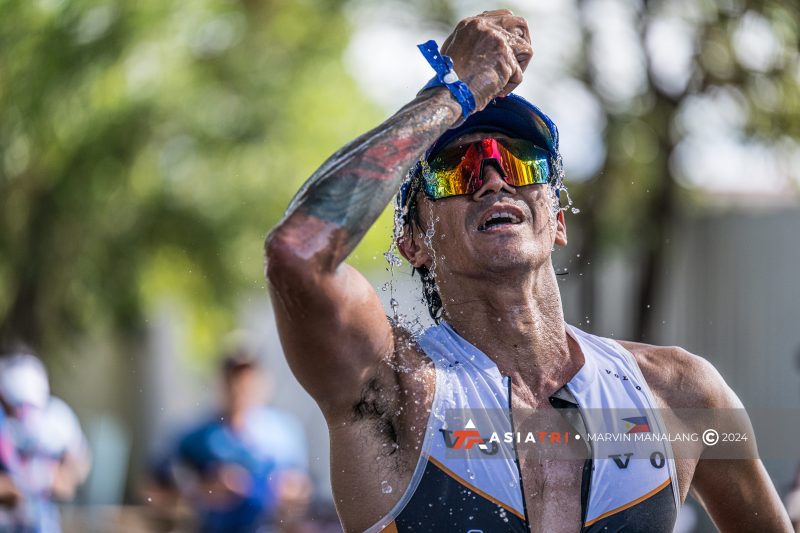
6. Real Asian Race Conditions
Reality check: Your Singapore run split will be 8–12% slower than cool-climate training. That’s physiology, not failure.
7. 4-Week Heat-Proof Run Plan
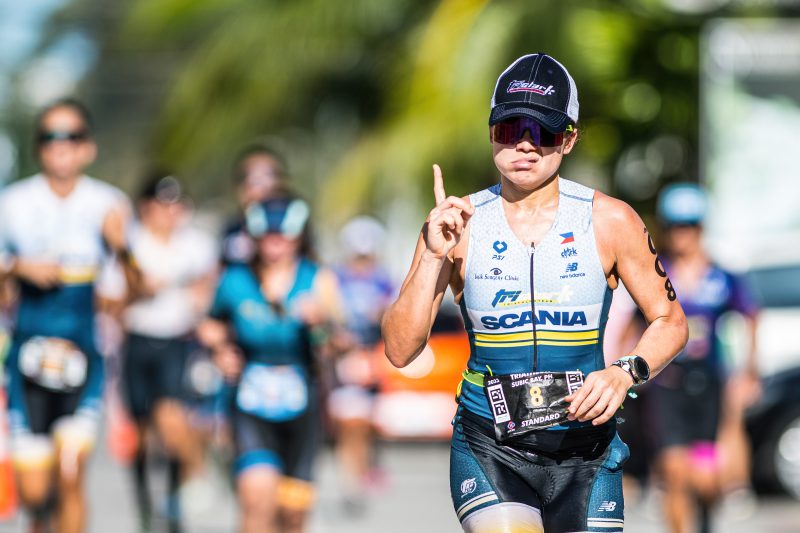
Final Thought: Respect the Heat
The best Asian racers aren’t the fastest in cool climates—they’re the ones who train smart for the conditions.
“Even in the evening, it’s 30°C, 82% humidity. It’s hard to train… but we adapt.”
Your game plan:
-
Wake up earlier (4–5 a.m.)
-
Train by effort, not pace
-
Acclimatize 7–14 days before race day
-
Cool aggressively (ice, water)
-
Accept slower splits without self-judgment
⚡ Tell Us Your Story
What’s your hottest race experience? Drop your location, temperature, and run split in the comments. Let’s build a crowd-sourced heat-training playbook for Asian triathletes.


Share this article


